Combatting Climate Change: The Impact of Carbon Offsetting
Reading
4 min total
0%
In today's world, where climate change is a constant concern, the rising temperatures in Europe and more frequent heatwaves are clear signs that urgent action is needed. Both companies and individuals are looking for ways to reduce their carbon footprint. One effective strategy for doing this is carbon offsetting.
What is Carbon Offsetting?
Carbon offsetting means balancing out the carbon dioxide (CO2) emissions we create by investing in projects that reduce or remove CO2 from the atmosphere. This approach allows individuals and businesses to mitigate their environmental impact and contribute positively to sustainability efforts.
How Does Carbon Offsetting Work?
When you offset your carbon footprint, you are essentially funding projects that reduce greenhouse gases in the atmosphere. These projects can be located anywhere in the world and can take various forms, such as:
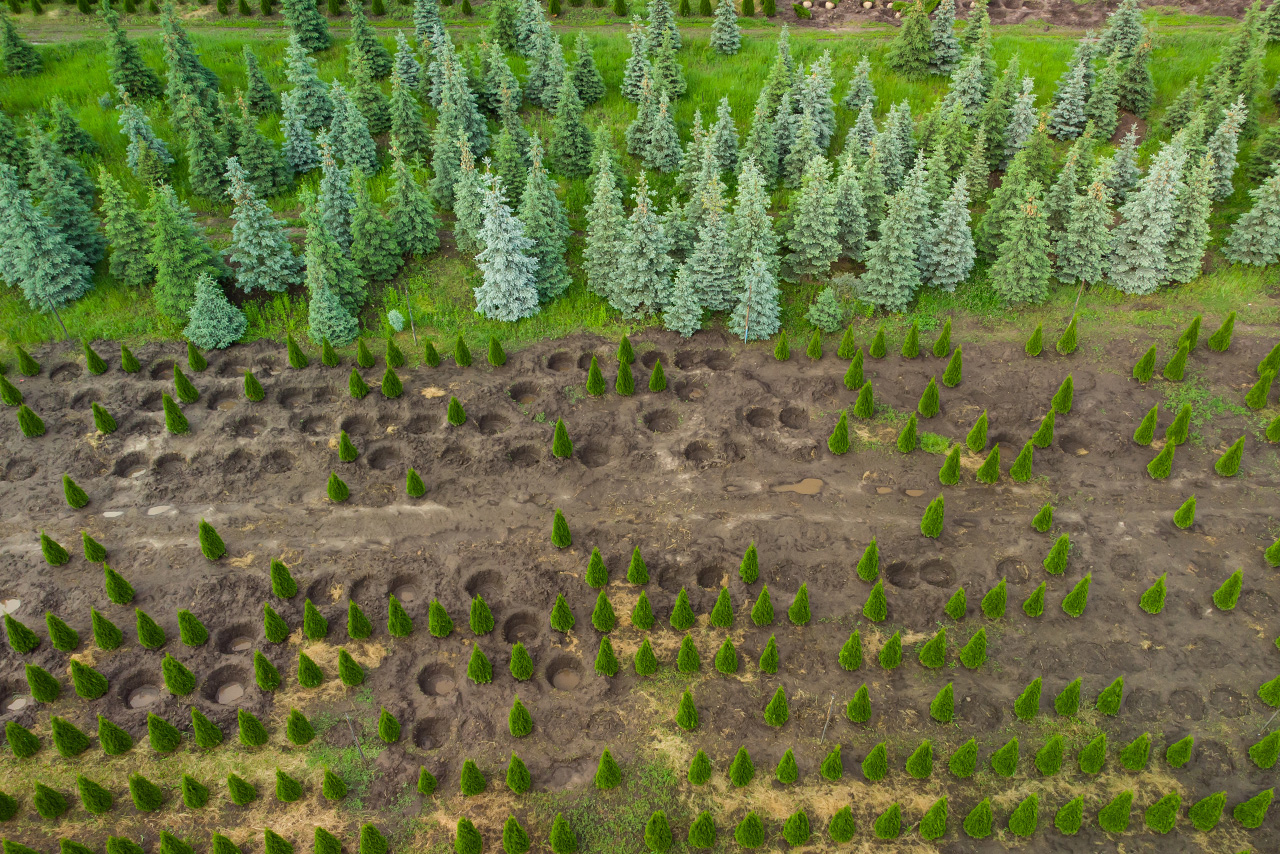
1. Reforestation: Planting trees and restoring forests to absorb CO2.
2. Renewable energy projects: Investing in solar, wind, or hydroelectric power to replace fossil fuel energy sources.
3. Energy efficiency initiatives: Supporting projects that improve energy efficiency in industries, homes, and transportation.
Benefits of Carbon Offsetting
Carbon offsetting not only helps to neutralize your emissions but also supports sustainable development around the world. These projects often provide additional benefits, such as:
• Protecting biodiversity: Reforestation projects can restore habitats and protect endangered species.
• Improving health: Reducing air pollution from fossil fuels can lead to better health outcomes for communities.
• Economic growth: Renewable energy and efficiency projects can create jobs and stimulate local economies.
Innovative Technologies in Carbon Offsetting
Two innovative technologies that are making significant progress in carbon offsetting are Direct Air Capture (DAC) and Carbon Capture and Removal (CCR).
Direct Air Capture (DAC)
Direct Air Capture is an advanced technology designed to capture CO2 directly from the air. Here's how it works:
1. Air intake: Large fans draw in air from the atmosphere.
2. CO2 extraction: The air passes through a filter or a chemical solution that captures the CO2 molecules.
3. CO2 storage: The captured CO2 is then stored or used in various applications, such as creating synthetic fuels or in greenhouses to promote plant growth.
Optimal Locations for DAC
DAC is most effective in places with abundant, low-cost renewable energy to power the operations. Ideal sites also offer easy access to CO2 storage facilities and have:
• Proximity to ports: Easy delivery of construction materials.
• Near sea level: Higher air density enhances efficiency.
• Warmer temperatures: Optimal performance above 5 degrees Celsius.
• Large acreage: Facilitates the installation of numerous units to capture megatons of CO2.
The beauty of DAC is its ability to capture CO2 regardless of its source. Whether it's from a car, a factory, or simply from natural processes, DAC can help reduce the overall concentration of CO2 in the atmosphere.
Carbon Capture and Removal (CCR)
Carbon Capture and Removal is another key technology in the fight against climate change. CCR focuses on capturing CO2 emissions from large sources, such as power plants and industrial facilities, and then storing or repurposing it. The process typically involves:
1. Capture: CO2 is captured from the emissions produced by burning fossil fuels or other industrial processes.
2. Transport: The captured CO2 is transported to a storage site.
3. Storage or utilization: The CO2 is either stored underground in geological formations (a process known as sequestration) or used in various industrial applications.
CCR helps prevent large amounts of CO2 from entering the atmosphere, resulting in decreased overall greenhouse gas emissions from some of the biggest polluters. Additionally, CCR technology can be integrated with existing industrial infrastructure, making it a viable option for many industries looking to reduce their carbon footprint.
How Can You Get Involved?
You can contribute to carbon offsetting and support technologies like DAC and CCR in several ways:
• Offset Your Carbon Footprint: Use Carbon Tool to estimate your emissions and invest in offset projects. Carbon Tool connects you to credible offsetting schemes, ensuring every carbon footprint is minimized.
• Support Green Technologies: Advocate for and support policies that promote the development and deployment of DAC and CCR technologies. Examples include tax incentives for companies that invest in carbon capture technology and funding for research and development.
• Educate and Raise Awareness: Spread the word about the importance of carbon offsetting and the role of innovative technologies in combating climate change. Engage with community groups, participate in local environmental initiatives, and use social media to share information and resources.
Carbon offsetting is a practical and effective way to take responsibility for our emissions and support a sustainable future. By understanding the impact of our actions and investing in projects that reduce or remove CO2 from the atmosphere, we can make a significant difference in the fight against climate change.
With Carbon Tool, businesses can actively measure, manage, report, and reduce their carbon footprint, contributing to a sustainable and healthier future for our planet.
Gain Sustainability Insights
Stay informed
Press releases and company announcements delivered directly to your inbox. No marketing emails.
Ready to turn carbon data
Join the companies using CarbonTool to measure emissions, manage risk, and report with confidence. Start free. No credit card, no sales call.