Decarbonizing buildings: From legacy challenges to strategic advantage
Reading
2 min total
0%
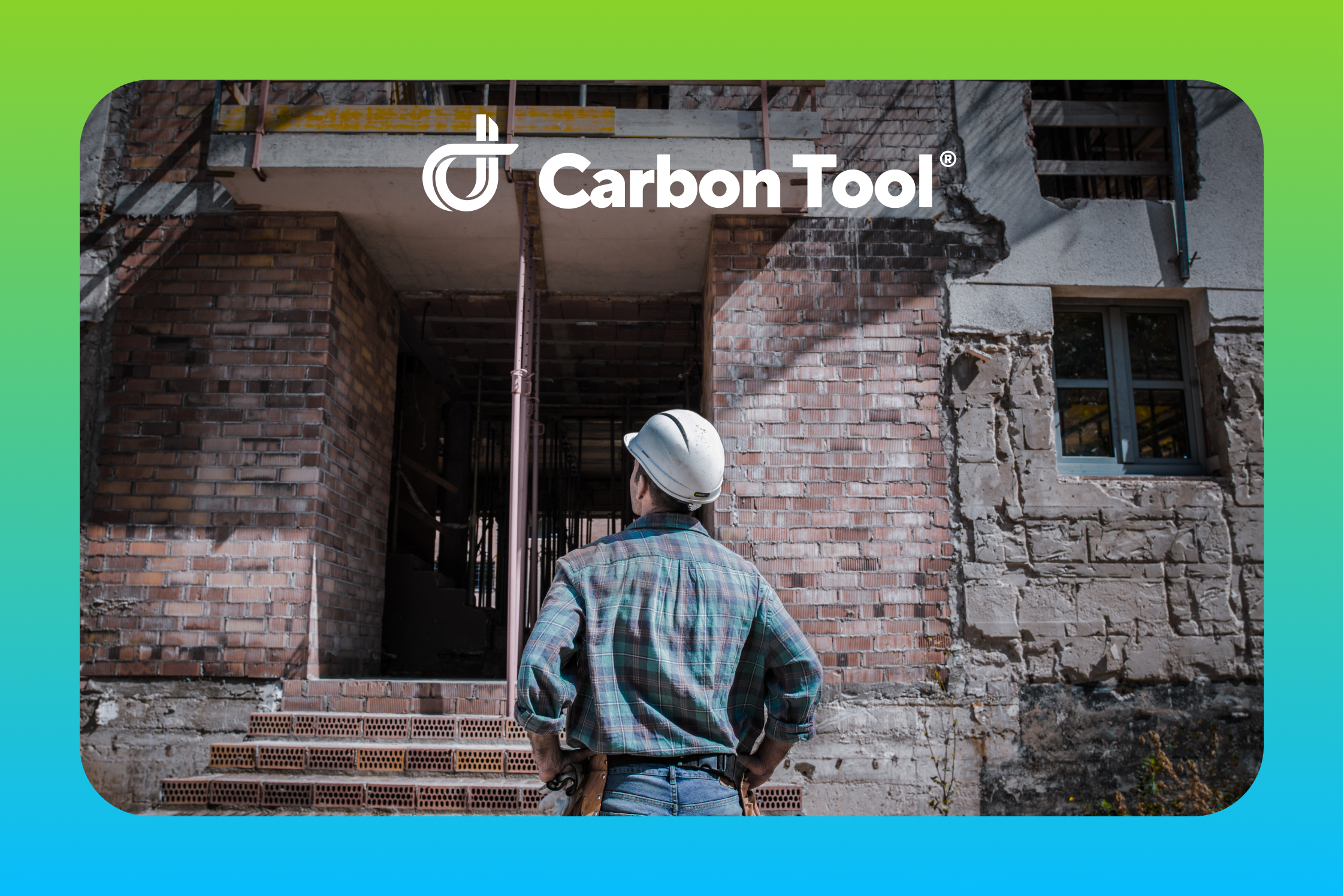
As the real estate sector moves deeper into the era of climate accountability, one fact stands out: 77% of the buildings in use as of 2020 require deep renovation to meet current energy efficiency and sustainability standards. These are structures developed in a time when energy efficiency wasn’t a design priority and they now represent the greatest challenge, and also opportunity, for decarbonization in the built environment.
The shift from new builds to deep renovations
Green buildings are no longer a niche. In recent years, the majority of new developments have integrated sustainability from the ground up and have proven they can deliver profitability alongside performance. Yet the true test of the next decade lies not in the projects yet to be built, but in the existing building stock.
Deep renovation is essential to real estate’s green transition. It’s not just about reducing carbon emissions, it’s about lowering energy bills, improving occupant comfort, modernizing infrastructure and generating economic value across construction and related sectors.
However, progress has been slow. The barriers are real: outdated systems, steep initial costs, complex retrofitting processes, and fragmented public policies. Many buildings require full envelope upgrades, HVAC system overhauls or renewable integration to meet today’s performance standards. Without support, owners risk ending up with high-risk, low-demand assets in a market increasingly driven by climate performance.
CarbonTool: Empowering strategic decarbonization
At CarbonTool, we help building owners, asset managers and users tackle this challenge with precision. Decarbonization is not a checklist, it’s a long-term strategic shift that must consider building operation, supply chains and community impact over a 10–15 year horizon.
Our platform empowers organizations to:
• Collect detailed data on emissions at building and portfolio level
• Run scenario-based simulations for various carbon reduction pathways
• Prioritize interventions based on cost-benefit analysis
• Track measurable progress and stay aligned with regulatory and financial ESG standards
In a landscape where financing is increasingly ESG-dependent, having real-time insight and a data-driven roadmap is a competitive edge.
From technology to market leadership
Emerging technologies make decarbonization more feasible than ever. From digital energy modeling and intelligent building management systems to solar PV, heat pumps, and local energy storage, the toolbox is expanding rapidly. And for new developments, low-carbon materials, circular design, and predictive modeling are becoming standard.
Decarbonization has become a strategic necessity. Buildings that adapt will not only meet emissions targets but will also benefit from higher tenant demand, lower operational costs and long-term asset resilience.
The leaders of tomorrow are the ones acting today. With the right tools, like CarbonTool, the path to low-carbon real estate is clear and actionable.
Gain Sustainability Insights
Stay informed
Press releases and company announcements delivered directly to your inbox. No marketing emails.
Ready to turn carbon data
Join the companies using CarbonTool to measure emissions, manage risk, and report with confidence. Start free. No credit card, no sales call.