Smart City Expo World Congress 2025: How to turn smart city data into real decarbonisation
Reading
3 min total
0%
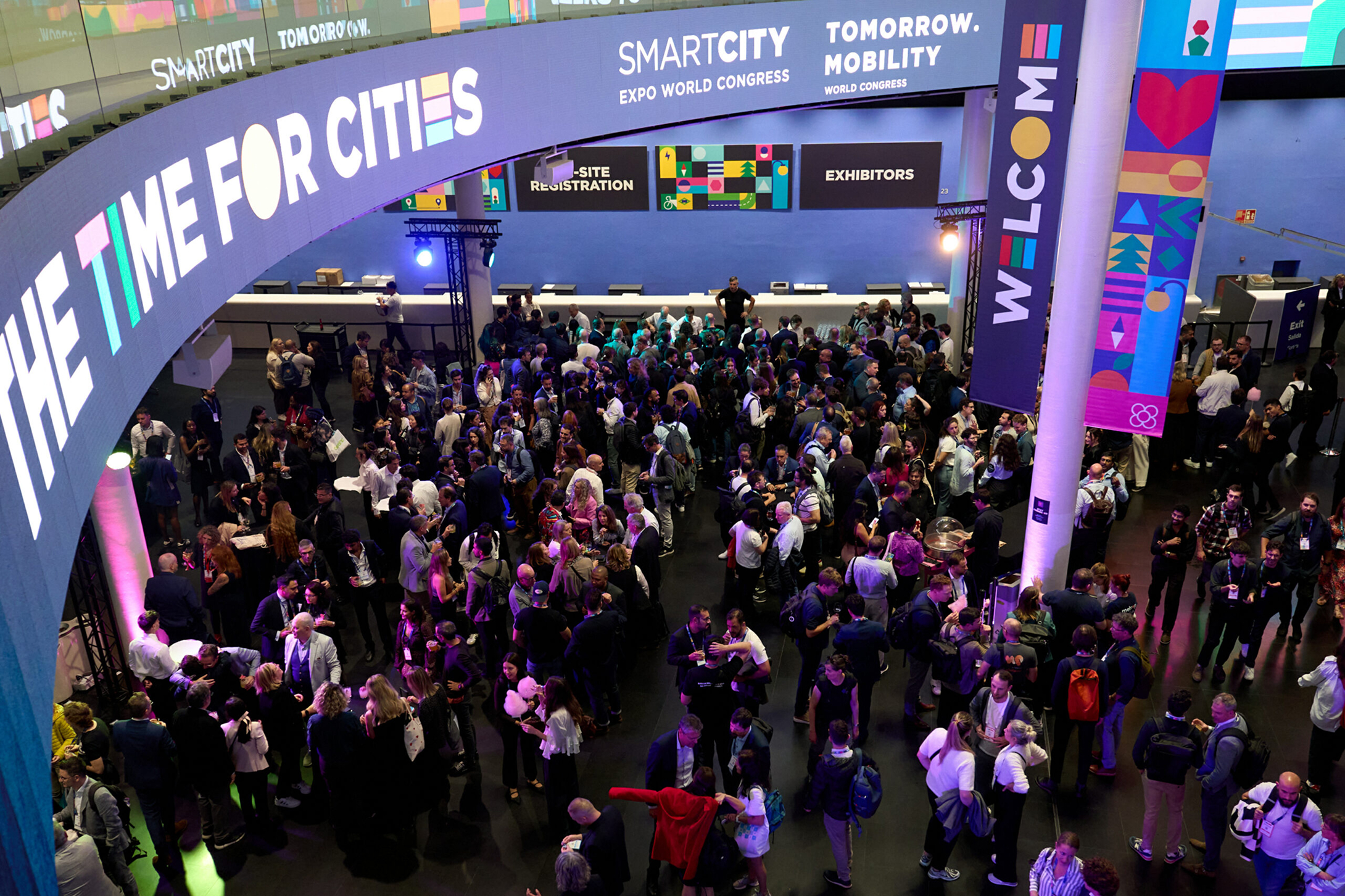
Smart City Expo World Congress 2025 (3–5 November, Barcelona) confirmed a clear shift in how global players think about cities. The conversation is no longer about isolated smart projects or flagship buildings, but about cities as complex, integrated ecosystems, where buildings, people, mobility, services, waste, safety and public space are managed together through data.
For CarbonTool, the event offered a sharp snapshot of where the market is heading and how our platform fits into the next wave of urban decarbonisation and efficiency.
A global market looking to leapfrog
One of the most striking trends was the strong presence from outside Europe. Companies and organisations from South America, the Middle East and across Asia, are actively looking for models to follow and pitfalls to avoid.
Many of these regions are in high-growth phases of urbanisation. They are acutely aware of what unchecked development has meant in the past for some major economies: extreme congestion, smog, unsafe public spaces and cities built around cars rather than people. Their goal now is to “leapfrog” that trajectory by adopting integrated, citizen-centric approaches from the start.
In this context, decarbonisation is increasingly seen not as a separate climate agenda, but as a natural outcome of smarter, more efficient city systems.
Another clear takeaway: while AI was everywhere on the exhibition floor, the real value today lies in automation and data-driven decision-making rather than in abstract, futuristic intelligence.
Regulation pushing cities from pilots to portfolios
Overlaying these technology trends is a tightening regulatory framework. Updated European directives on energy performance, sustainable finance and corporate reporting are raising the bar on how emissions are measured, reported and reduced across the built environment and urban services.
This creates a new set of requirements for solution providers: it is no longer enough to deliver one-off smart projects. Platforms must support robust measurement, reporting and verification (MRV), align with evolving standards and taxonomies and help clients move from pilots to portfolio-level decarbonisation strategies.
From smart city talk to implementable roadmaps
The 2025 edition of Smart City Expo World Congress made one thing clear: the smart city conversation is maturing. The market is moving from visionary slides and eye-catching gadgets to integrated, data-led platforms that can support real decarbonisation at scale.
CarbonTool’s presence in Barcelona underscored our commitment to this new phase. As cities and companies around the world seek to build cleaner, more efficient and more liveable urban environments, we see our role as turning complex data into clear roadmaps and helping our partners move confidently from ambition to implementation.
By consolidating data at asset and portfolio level, CarbonTool gives owners and operators a clear baseline and a common language for decarbonisation. On top of that baseline, the platform enables users to build and compare intervention scenarios, quantify both climate and financial impact and rank investments based on their return, not only in terms of CO₂ reduction per euro, but also in terms of efficiency and resilience.
Gain Sustainability Insights
Stay informed
Press releases and company announcements delivered directly to your inbox. No marketing emails.
Ready to turn carbon data
Join the companies using CarbonTool to measure emissions, manage risk, and report with confidence. Start free. No credit card, no sales call.