Transparency is now part of the building
Reading
2 min total
0%
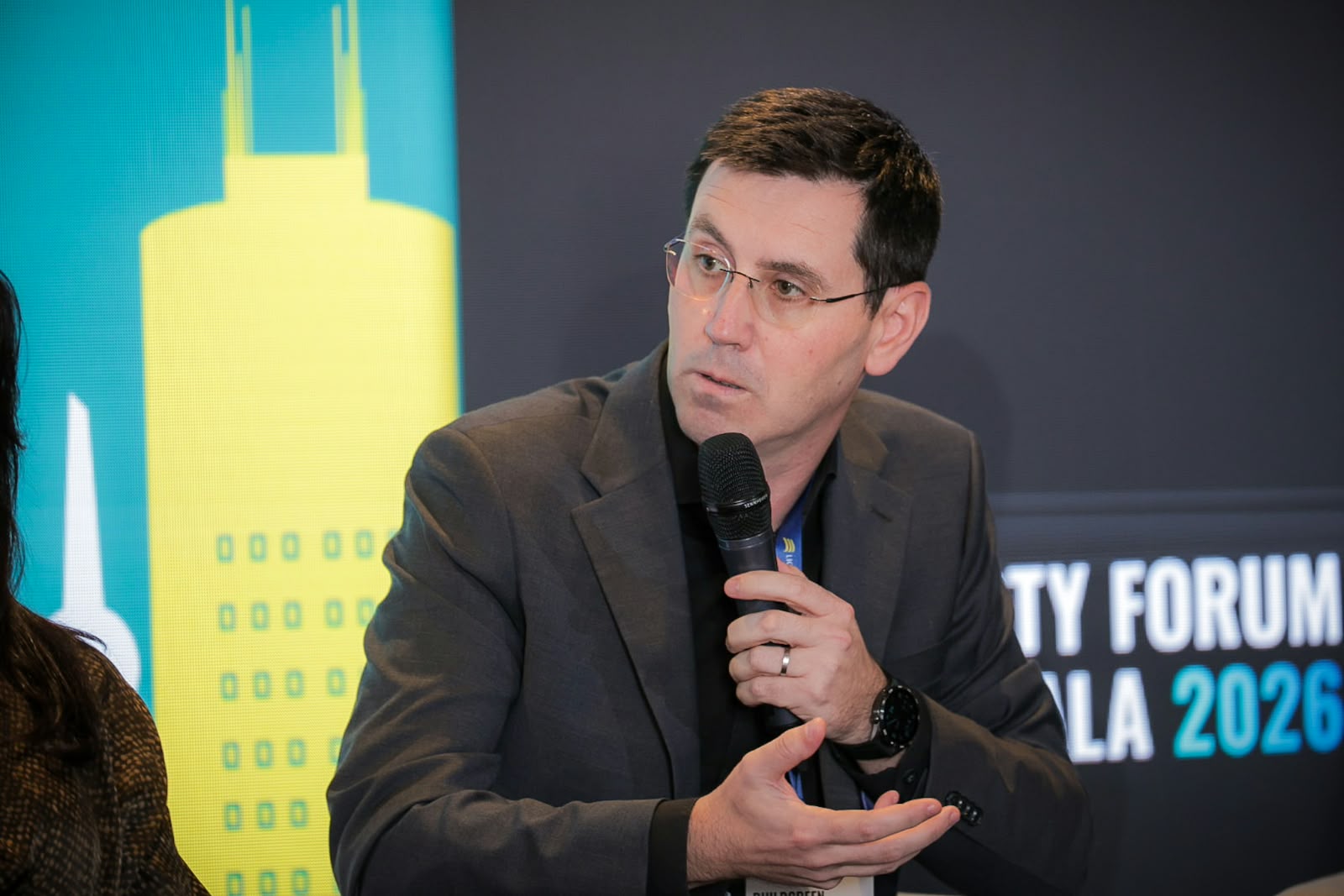
At SEE Property Forum 2026, Răzvan Nica, founder of BuildGreen and CarbonTool, joined the panel “The New Office Equation”, chaired by Ioana Roman of Filip & Company, alongside speakers from Cushman & Wakefield Echinox, CPI Romania, AFI Romania, Nhood and Coral Companies.
The question put to him was direct. What does meeting ESG requirements cost owners of existing buildings and is it paying off in rents, financing or property value? His answer started one step earlier, with who is asking.
Every stakeholder is asking
“It is not an option anymore. It is basically mandatory,” Răzvan said. “It is a requirement from all the parties, for all the stakeholders in a project.”
On the financing side, banks set requirements in terms of long-term credibility and sustainability. On the occupier side, the change is just as visible. “Tenants, compared with five years ago, are more involved. They need data, they need information,” he said. “In this way, the building is forced to adapt, to be more transparent.”
Transparency needs monitoring
Earlier in the discussion, Mihaela Petruescu of Nhood had argued that “data can beat hardware”. Răzvan built on that point: transparency is only possible when the building is monitored.
Monitoring creates the foundation for decisions taken over time regarding investments, equipment replacements or upgrades and responses to tenant requirements on comfort, costs and amenities. “All these are part of the sustainability concept,” he noted. “Now they are part of the daily life of buildings.”
Data before the decision
Răzvan also addressed the concern that some owners might stop investing in offices. He sees the opposite, as older buildings are moving to retrofit, now that equipment installed around the 2010 crisis is 15 years old and needs replacement. Sustainability remains part of what the market requires and owners remain willing to invest.
His closing advice connected the two themes. Invest while you can still choose your timing, before the equipment, a tenant or the bank forces the decision, so that the investment can be planned for the long term.
What this means for companies
Choosing your timing requires knowing your building. Consumption, costs and equipment performance need to be measured and traceable before a decision is taken, not reconstructed afterwards. That is the shift Răzvan described. Sustainability has moved from a concept into daily operation and the data behind it has become evidence that tenants, lenders and owners rely on.
Gain Sustainability Insights
Stay informed
Press releases and company announcements delivered directly to your inbox. No marketing emails.
Ready to turn carbon data
Join the companies using CarbonTool to measure emissions, manage risk, and report with confidence. Start free. No credit card, no sales call.