Your Company’s Footprint: From Data to Action
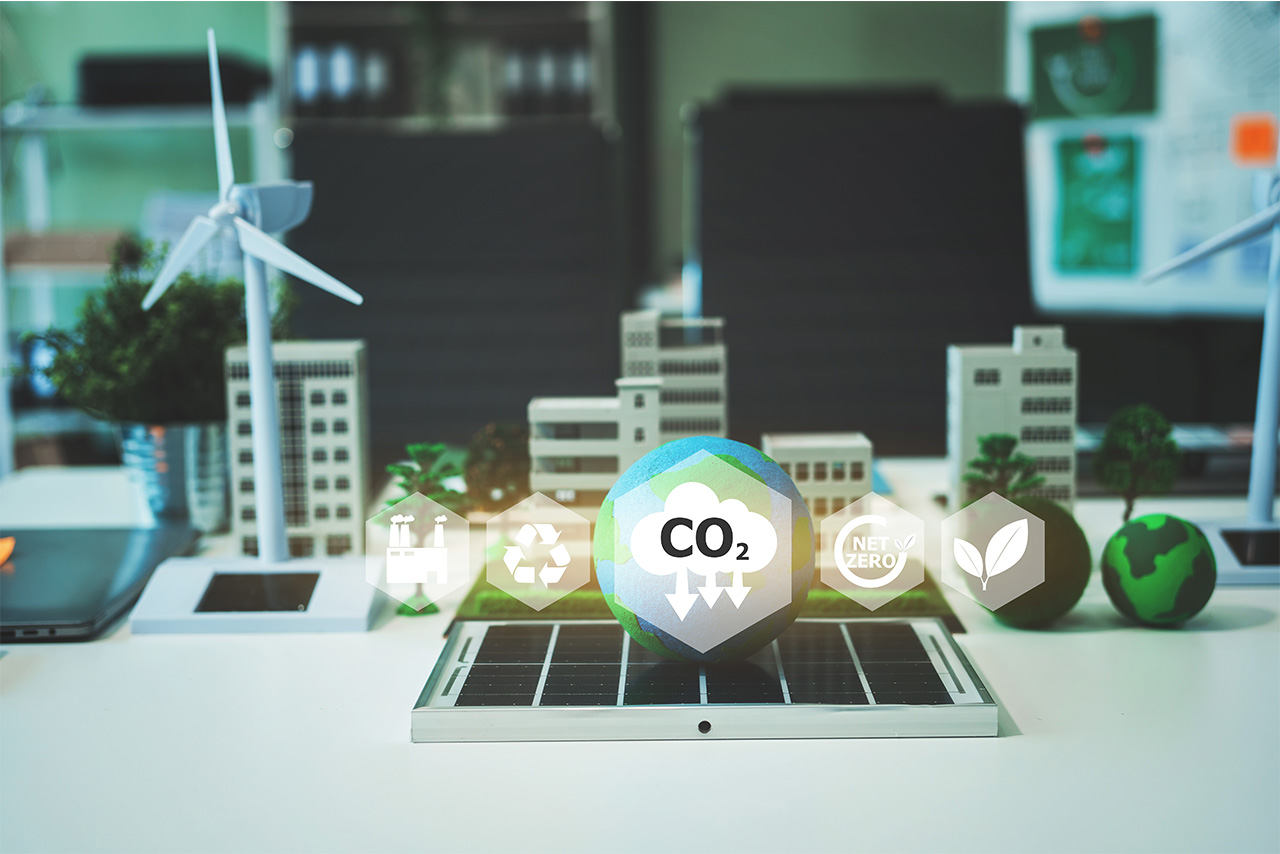
In the fight against climate change, reducing the company's carbon footprint is crucial. The first step is to understand and control your business's greenhouse gas emissions. Let’s explore how to calculate your carbon footprint and take effective action.
What is a Carbon Footprint?
A company's carbon footprint is the total amount of greenhouse gases (GHG) it emits, both directly and indirectly, through its activities. This includes emissions such as:
• Energy use (electricity, gas, oil)
• Transportation (company vehicles, employee travel)
• Purchased goods and services
• Production processes
How to Measure Your Carbon Footprint
Determining your carbon footprint begins with calculating emissions from your company's operations. Here’s how to do it:
1. Collect Data
Gather information on your business’s energy use, transportation, and other relevant activities. This might include travel logs, fuel usage reports, and energy bills. This data is crucial for accurate carbon accounting.
2. Use Established Methodologies and Tools
Use Carbon Tool SaaS carbon footprint platform that applies all established methodologies, such as the GHG Protocol or ISO 14064 for accurate calculations. The platform respects international standards regulations, vital for emissions reporting and achieving carbon neutrality.
3. Calculate Emissions
Use the formula:
Carbon Footprint = Activity Data × Emission Factor
1. Activity Data: The level of emissions generating emissions (e.g., kWh of electricity used).
2. Emission Factor: The amount of GHGs emitted per unit of emission.
The standards are complex, and formulas are not always so simple - there are 3 scopes and 22 emission categories. Carbon Tool manages for you all these bureaucratic aspects and makes your life easier. You can use cost, quantity-based approach or combined as per data availability.
Visualizing Your Carbon Footprint
Work with visual tools like graphs and infographics to display your data clearly. This helps identify the primary sources of emissions and track changes over time. Visualization is a key component of effective carbon management and decarbonization.
From Measurement to Action
Once you’ve identified your carbon footprint, the next step is to reduce it. Here are some strategies:
• Energy Efficiency: Upgrade to energy-efficient appliances and lighting to reduce CO2 emissions.
• Renewable Energy: Switch to renewable energy sources such as solar or wind to achieve a net zero target.
• Transportation: Encourage the use of electric vehicles, implement a hybrid working system for employees and reduce corporate travel to lower your carbon footprint.
• Supply Chain: Choose suppliers with lower carbon footprints and sustainable practices.
Monitoring Progress
Regularly update your carbon footprint calculations to monitor progress. Aim to reduce emissions year by year through continuous improvement and innovation. This ongoing process is essential for sustainability and achieving a Zero Emissions status.
By accurately measuring your emissions and implementing strategies to diminish them, you actively promote a more sustainable future.
Measure, manage, report and reduce your carbon footprint with Carbon Tool.
Gain Sustainability Insights
Stay informed
Press releases and company announcements delivered directly to your inbox. No marketing emails.
Ready to turn carbon data
Join the companies using CarbonTool to measure emissions, manage risk, and report with confidence. Start free. No credit card, no sales call.