Your Path to Sustainability: Aligning with the SDGs
Reading
4 min total
0%
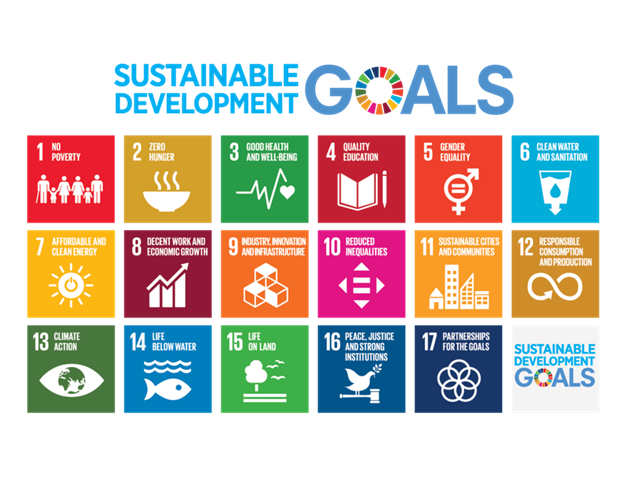
The journey toward sustainability is one of today’s most pressing global priorities. This journey is guided by the 17 Sustainable Development Goals (SDGs), a comprehensive framework introduced by the United Nations in 2015 to address key global challenges by 2030. By aligning with the SDGs, organizations can support essential environmental, social, and economic progress while fostering long-term resilience. Here, we delve into several SDGs directly relevant to carbon reduction and discuss actionable ways for organizations to contribute effectively.
Key SDGs Related to Carbon Reduction and Organizational Sustainability
Goals 11 & 12: Sustainable Cities & Responsible Consumption & Production
Goal 11 emphasizes the development of sustainable cities and communities while Goal 12 focuses on ensuring sustainable consumption and production patterns. Organizations can contribute to these goals by minimizing waste, enhancing product lifecycle efficiency, and adopting sustainable sourcing practices. These efforts reduce environmental footprints, contribute to healthier urban ecosystems, and align with the shift toward greener, more resilient communities.
Example Actions for Goals 11 & 12:
• Optimize supply chains and material used to reduce waste generation and improve resource efficiency.
• Implement circular economy principles, extending the life of materials and reducing overall consumption.
• Engage in sustainable urban development initiatives by supporting green infrastructure, cleaner transportation options, and community-focused projects.
Goal 13: Climate Action – Addressing Carbon Reduction to Mitigate Climate Change
Goal 13 is dedicated to taking urgent action to combat climate change. Carbon emissions are one of the primary contributors to global warming and reducing them is central to this goal. Organizations can play a powerful role here by actively measuring and reducing their carbon footprints, implementing cleaner energy sources, and optimizing processes to lower emissions. Not only does this help mitigate climate impacts, but it also aligns companies with an increasingly carbon-conscious market.
Example Actions for Goal 13:
• Measure and analyze current carbon emissions to identify key areas for reduction.
• Transition to renewable energy sources where possible, reducing dependence on fossil fuels.
• Implement more efficient operational processes, reducing overall emissions and enhancing sustainability.
Broader SDGs Impacted by Carbon Reduction Efforts
Goal 16: Peace, Justice, and Strong Institutions – Fostering Transparency and Accountability
Transparency, accountability, and ethical governance are essential pillars of sustainability, embodied in Goal 16. As companies track and report their sustainability performance, they build trust with stakeholders, maintain credibility, and contribute to a culture of integrity. Reliable reporting frameworks also encourage continuous improvement, enabling organizations to set and achieve meaningful sustainability targets.
Example Actions for Goal 16:
• Regularly report sustainability metrics and progress, providing stakeholders with clear insights.
• Commit to transparent reporting practices, even on areas needing improvement, to foster genuine accountability.
• Engage stakeholders, including employees and local communities, in sustainability goals, building trust and shared responsibility.
Goal 17: Partnerships for the Goals – Collaborating for Greater Impact
Partnerships are fundamental to advancing the SDGs, emphasized by Goal 17. Collaboration allows organizations to leverage shared knowledge, resources, and networks, making sustainability efforts more effective and far-reaching. By engaging with non-profits, governments, and communities, companies can drive collective action toward shared goals, creating broader societal impacts.
Example Actions for Goal 17:
• Partner with organizations focused on climate solutions to amplify sustainability impact.
• Collaborate on joint initiatives with customers, suppliers, and other stakeholders to encourage sustainable practices throughout the value chain.
• Share best practices and insights with industry peers, advancing common standards and frameworks that contribute to global sustainability.
Moving Forward with the SDGs: How Carbon Tool Can Support Your Sustainability Goals
By focusing on carbon reduction, responsible consumption, transparency, and partnerships, businesses can drive meaningful progress toward a sustainable future. Carbon Tool provides the essential resources to measure, manage, report, and reduce carbon emissions, helping organizations align with SDGs and advance their sustainability efforts. Through data-driven insights and comprehensive reporting tools, Carbon Tool supports your journey toward a more sustainable and resilient future, one that aligns with global goals and benefits all stakeholders.
Gain Sustainability Insights
Stay informed
Press releases and company announcements delivered directly to your inbox. No marketing emails.
Ready to turn carbon data
Join the companies using CarbonTool to measure emissions, manage risk, and report with confidence. Start free. No credit card, no sales call.